

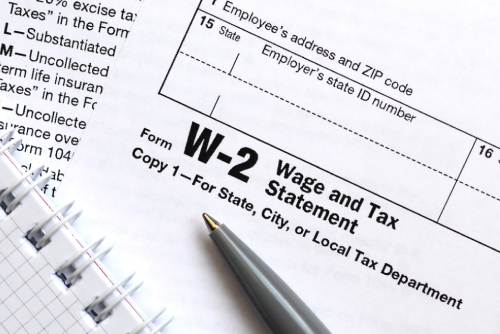
Startups often face the difficult decision of whether to hire W-2 employees or 1099 contractors. Both options have their own advantages and disadvantages, and the best choice for your startup will depend on your specific needs and circumstances. W-2 employees are full-time or part-time workers who are hired by your company and receive a regular paycheck. 1099 contractors are independent contractors who are not considered employees of your company. You pay them a flat fee for their services, and they are responsible for paying their own taxes and benefits. Compensation plans are an important part of hiring and retaining employees and contractors. A well-designed compensation plan can help you attract and motivate top talent, and it can also help you control your costs.
For W-2 employees, compensation transcends the paycheck. It’s about creating a holistic package that can include health benefits, retirement plans, and critically, stock options. Here are some tips for developing a compensation plan for W-2 employees:
Offering stock options to W-2 employees can substantially align their interests with the company’s success, as they stand to gain directly from an increase in the company’s value, fostering a culture of ownership and commitment. This alignment serves as a potent recruitment and retention tool in a competitive talent market, often tipping the scales for candidates considering multiple offers.
Stock options also enhance employee engagement and motivation, as individuals are incentivized to contribute to the company’s long-term prosperity. Ultimately, by integrating stock options into compensation plans, startups encourage a workforce that is more invested, innovative, and attuned to the company’s growth objectives.
When it comes to 1099 contractors, the compensation equation shifts. Traditional benefits are typically off the table, but stock options remain a viable instrument. Here are some tips for developing a compensation plan for W-2 employees:
Offering stock options to 1099 contractors can be an attractive proposition, particularly when seeking to engage with top-tier talent in a flexible, cost-effective manner. It allows startups to conserve cash while still providing a form of compensation that could have significant future value, making project costs more predictable in the short term.
Contractors with a stake in the company may be more motivated and produce higher quality work, knowing they could benefit from the company’s growth. However, it’s essential to structure these agreements carefully to avoid any misclassification of employment status, ensuring compliance with IRS guidelines. When done correctly, stock options can be a win-win, offering contractors potential wealth growth while aligning their efforts with the company’s long-term success.
The decision of whether to hire W-2 employees or 1099 contractors is a complex one. There is no one-size-fits-all answer. The best choice for your startup will depend on your specific needs and circumstances.
If you are unsure of which type of worker is right for your startup, or if you have questions about developing a compensation plan, consult a startup legal counsel from Gabriela N. Smith.
Our business startup attorneys can play a vital role in helping your startup succeed. By providing legal advice and support, our business startup lawyer can help you avoid legal pitfalls. Call us today.
Contact Us